
There is a wide variety of cryptocurrency wallets available. Based on their connectivity and security mechanics, they are broadly categorized into "Cold Wallets" (offline) and "Hot Wallets" (online). Based on their deployment platform and hardware, they can be divided into desktop wallets, mobile wallets, web/browser extension wallets, hardware wallets, and exchange-hosted wallets.
Most wallets support mainstream cryptocurrencies such as Bitcoin (BTC) and Ethereum (ETH). If you plan to hold crypto assets for the long term, self-custody via a private wallet is highly recommended. For frequent trading, keeping funds on major exchanges like Binance, OKX, or Coinbase offers greater convenience.
Below is an overview of some of the most widely used crypto wallets in the industry:
1. MetaMask
MetaMask is one of the world's most popular multi-chain decentralized wallets. As a classic hot wallet, it natively supports Ethereum and various EVM-compatible networks (e.g., BNB Chain, Polygon) with built-in token swap features. Available as both a browser extension and a mobile app, its lightweight nature makes it the primary gateway to the DeFi and Web3 ecosystems.
2. imToken

imToken is a feature-rich mobile multi-chain self-custody wallet (classified as a hot wallet). Designed to provide global users with a secure, simple, and powerful asset management experience, imToken gives users full control over their private keys while offering DApp browsing and decentralized trading capabilities.
3: HyperPay

HyperPay is a comprehensive digital asset wallet that integrates off-chain custodial, on-chain self-custodial, co-managed, and hardware wallet solutions. Designed as a one-stop asset service platform, HyperPay supports dozens of mainnets and hundreds of popular tokens, featuring built-in yield products, crypto-to-crypto swaps, fiat gateways, crypto lending, and multi-signature security.
4. Coinbase Wallet
Coinbase Wallet is a self-custodial decentralized wallet developed by Coinbase (operating independently from the main Coinbase exchange hosted accounts). It supports thousands of crypto assets and NFTs, serving users across more than 190 countries and regions with a streamlined Web3 interface.
5. Ledger Hardware Wallet
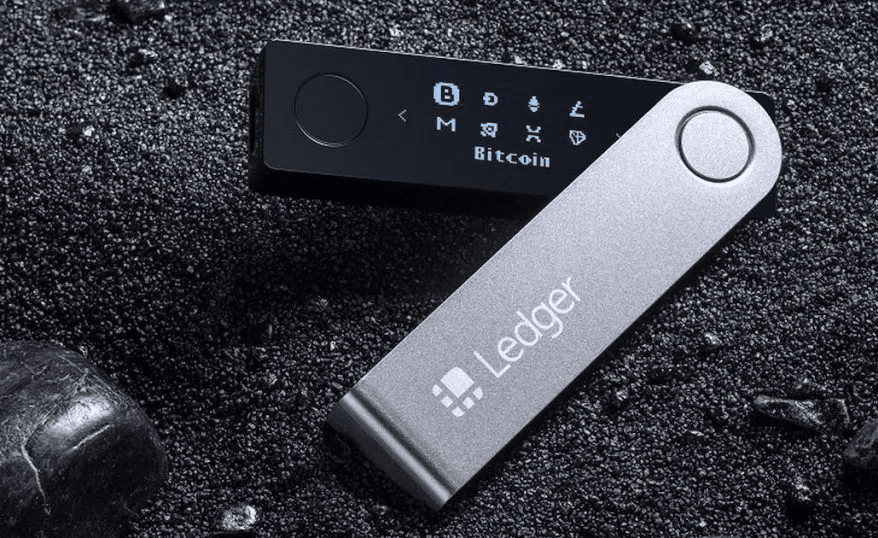
Ledger is an industry-leading hardware cold wallet manufacturer built for high-security, offline private key storage. Utilizing certified Secure Element chips, Ledger keeps private keys isolated from internet-connected threats. The device must pair with official software (such as Ledger Wallet App) or third-party wallets (such as MetaMask or MyEtherWallet) to sign transactions. Popular models include the Ledger Nano S Plus and Nano X, with core projects open-sourced on GitHub.